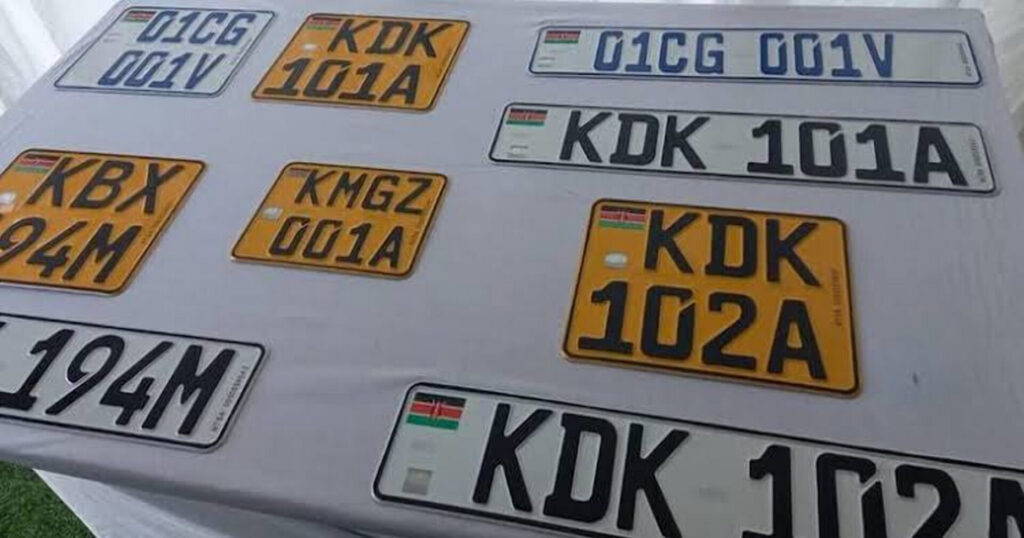
Kenya’s motor industry is grappling with a deepening crisis that has nothing to do with demand — a chronic shortage of number plates is holding up delivery of over 70,000 vehicles and motorcycles, even as the market posts its strongest early-year performance in recent memory.
Industry data from the Kenya Motor Industry Association shows that dealers are sitting on growing order books they simply cannot fulfill. Buyers who have paid for their vehicles are waiting — some for weeks — because the government’s number plate issuance system has not kept pace with demand. The backlog now runs to tens of thousands of units across passenger cars, commercial vehicles, and motorcycles, creating a bottleneck that is distorting the true picture of what is otherwise a buoyant market.
Year-to-date sales through February reached 2,286 units, up from 2,096 over the same period in 2025 — an industry-wide growth of approximately 9 percent. The momentum is being driven by increased economic activity in affordable housing construction, road maintenance, and agribusiness, all sectors that have a direct pull-through effect on commercial vehicle demand.

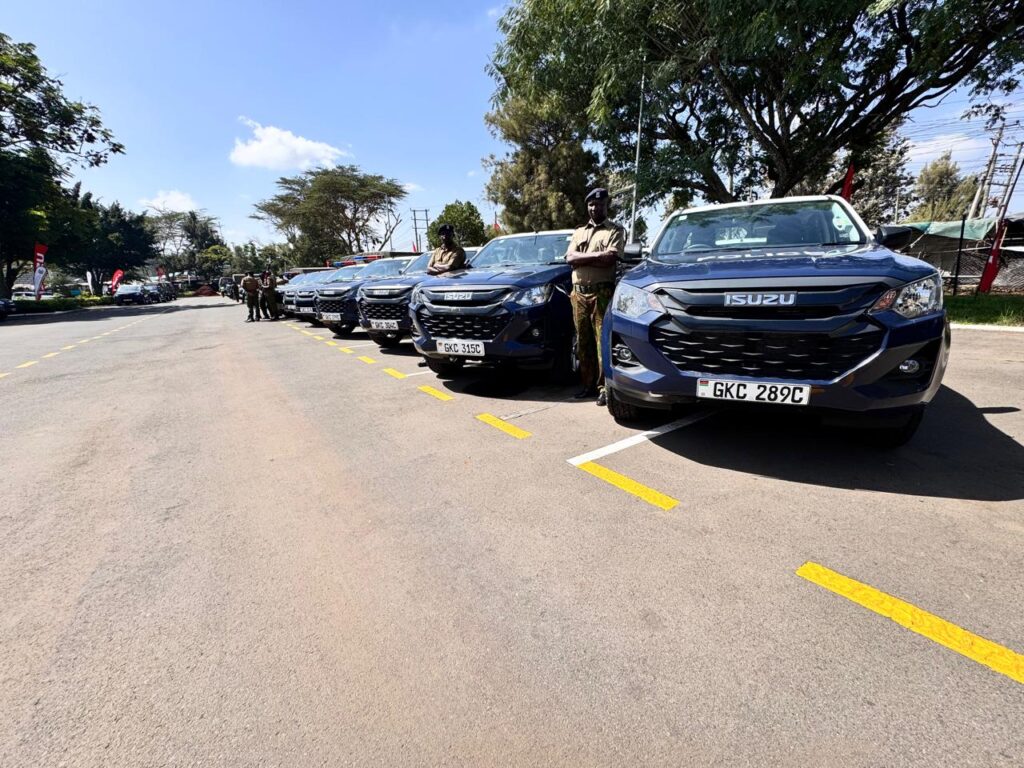
The standout performer is Isuzu East Africa, which recorded its highest-ever monthly sales in January — 667 units, up from 495 in January 2025, representing a 35.6 percent year-on-year surge. The company held its commanding position in February as well, selling 613 units to close the two-month period at 1,280 units and retain more than half of the entire market.
Within the SUV segment, the Isuzu mu-X 7-seater has become the dominant force, commanding a market share of between 76 and 86 percent in the first two months of the year. The edge comes from local assembly, which has allowed Isuzu to price its 3.0-litre variant at Ksh 9.9 million and the 1.9-litre version at Ksh 8.9 million — a pricing position competitors importing fully-built units simply cannot match.
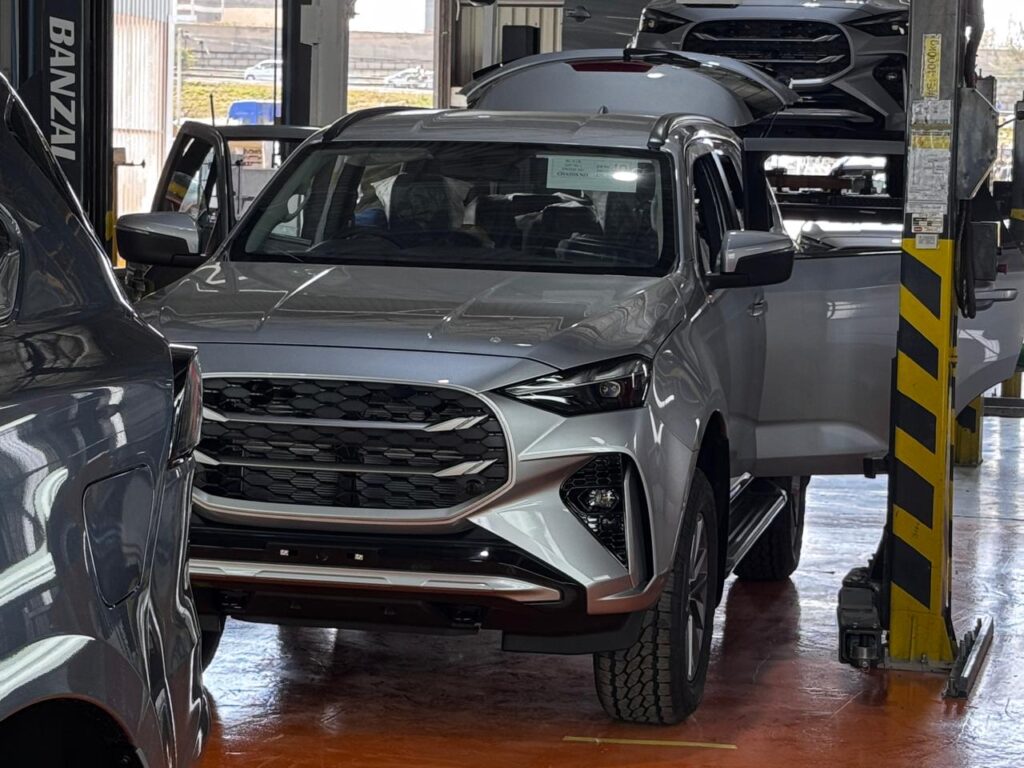
CFAO Mobility, which distributes Toyota among other brands, is the second-largest dealer group with 537 units sold year-to-date. Toyota remained the top-selling brand by unit count outside the Isuzu stable, with the Land Cruiser Prado and Fortuner continuing to drive volumes in the premium SUV space.
February also brought new entrants into the market data. BYD made its first recorded appearance in the KMIA figures with three units of the Shark 6 Double Cab Hybrid — a signal that electrification is beginning to creep into Kenya’s commercial vehicle segment, not just passenger cars. Sinotruk also entered the books for the first time with 69 prime movers sold through CFAO, a significant block delivery that bumped that dealer’s February tally by over 55 percent.
Looking ahead, the industry is watching global developments closely. The ongoing Middle East conflict remains a live risk factor, with potential to disrupt shipping routes and trigger a spike in fuel prices that could dampen consumer confidence and push up the landed cost of vehicles.
For now though, the bigger problem is closer to home. Kenya’s motor industry is not short of buyers — it is short of number plates. Until that bottleneck is resolved, the true scale of the market’s recovery will remain hidden behind a government administration backlog.